Homicide Cleanup
After investigators depart, homicide cleanup removes blood, tissue and contaminated materials.
See homicide cleanupGet blood, body fluids, fingerprint powder and odor removed from a home, apartment, rental or business in Alexis once police release the property. Most crime scene cleanups take one to three days.
Crime scene cleanup means taking out tissue, contaminated materials, body fluids and blood following a violent crime. Often termed trauma scene cleanup or forensic cleaning, it includes odor removal and disinfection to make the property safe for use again.
The investigation comes before any cleaning. Detectives, police and the medical examiner or coroner remove the deceased and collect evidence, but cleanup is not part of their role. After release, responsibility for the scene passes to the family, landlord or property owner.
A forensic clean up crew, forensic cleaners and crime scene cleaners all treat blood as infectious, down to every drop. The team tracks its spread and removes materials that disinfection cannot save. All surfaces are treated and cleaned, while hazardous items are taken away in line with medical waste rules. This end-to-end process is a form of biohazard remediation.
You can take the work scope, disposal documents and photographs to landlords or insurance companies and move forward.
Crews put aside photos, papers and meaningful belongings for you to examine before any disposal.
You can call during the day or overnight, and unmarked vehicles help keep the situation private from neighbors.
The cleaning plan and pricing factors are explained in advance, helping you decide what suits your household.
Crime scene cleaning services are needed any time a violent event leaves blood or body fluids behind. Common situations include:
Private cleanup so family members never have to face the scene themselves.
A standoff may leave tear gas or pepper spray deposits across ductwork, textiles and wall surfaces.
Where someone fell, carpet and subfloor may be soaked while blood spatter reaches ceilings and walls.
In warehouses, offices and stores, crews isolate work areas throughout commercial crime scene cleanup.
What you do during the first hours matters to your insurance claim, health and total cost. Take these steps before technicians arrive:
Call (888) 440-9227Most residential crime scene cleanup costs between $1,500 and $7,500. Published cost guides show this range. Companies generally set a price for the whole job rather than charging by the hour. Surface blood limited to a small area may cost less. When several rooms or the subfloor are affected, costs may exceed $10,000. An on-site assessment determines the final price.
These national ranges are taken from published cost guides, rather than a property visit. After an on-site assessment, the price for your property is determined and shared with you before cleanup begins.
Ask about cost: (888) 440-9227Crime scene cleanup coverage is determined by the terms in your renters or homeowners policy. The loss may qualify as sudden and accidental, subject to your deductible.
The owner usually coordinates and covers crime scene cleanup costs in rentals and common areas.
Victims of violent crime can ask the North Carolina Department of Public Safety's Office of Victim Compensation Services about crime scene cleanup, which the program lists among accepted expenses. Insurance is usually checked first.
Find out whether your policy covers biohazard cleanup, whether a cleanup company is your choice, and which records or images the adjuster requires.
The terms of your renters or homeowners policy decide whether a violent crime is covered. Report the event quickly and keep the claim number.
Differences between crime scenes do not change the safe order of the work. Often described as the remediation process, crime scene cleanup proceeds step by step, beginning with the first walk-through and ending at final inspection.
You or your representative walks through the area with technicians, who document it in photos and settle the scope before cleaning begins.
Plastic barriers and negative air isolate the affected area while technicians use complete personal protective equipment.
Soaked carpet, pad, drywall, mattresses and furniture are cut out, bagged and sealed as medical waste.
Every surface is cleaned, then treated with EPA-registered, hospital-grade disinfectant for the full contact time.
Air scrubbers, hydroxyl generators or ozone treat odor at the source, and HVAC vents are checked.
Sealed containers go to a permitted medical waste facility with the paperwork that tracks them.
Surfaces can be checked with ATP testing, and you get photos and records for your insurance claim.
After the affected materials are removed, your chosen contractor or an insurer-selected vendor can install new flooring and drywall.
Call any hour. You speak with a crime scene cleanup specialist who outlines the process and schedules a start time with you.
Serious health risks can come from blood and bodily fluids, including contamination beyond what you are able to see.
Grout may hold blood that also seeps below trim and penetrates carpeting, pad and subfloor. A surface-only cleaning leaves concealed residue that can bring back bacteria and odor.
You may find it deeply difficult to clean where someone close to you was harmed. For that reason alone, many households turn to professional crime scene cleaners.
Blood can contain HIV, hepatitis C and hepatitis B. The CDC reports that hepatitis B can survive on surfaces for at least seven days, even when the blood looks dry.
Can you clean it yourself? Wear gloves and apply an EPA-registered disinfectant when fresh blood is limited to a few drops on any hard, non-porous surface. Anything that reached fabric, carpet, wood or drywall, or any amount you cannot see the edges of, needs professional cleanup.
For most crime scene cleanups, time at the property is one to three days. A recent scene with a small affected area can take a day, while structural removal at a heavy scene can extend the work to two to five days.
| Scene | Typical time on site |
|---|---|
| Light scene, one area | Often one to two days |
| Typical scene, one to two rooms | Often one to three days |
| Several affected rooms or a subfloor removal | Often two to five days |
Odor removal starts with removing the source. Spraying fragrance over blood or tissue only hides the smell for a few days.
With contaminated material gone, the cleanup team can capture airborne particles using HEPA air scrubbers. Hydroxyl generators may operate safely around people, and stubborn odor can be treated with ozone when rooms are empty. Thermal fogging gets into fabrics and wall cavities. HVAC ductwork is also inspected to prevent smells from spreading between rooms.
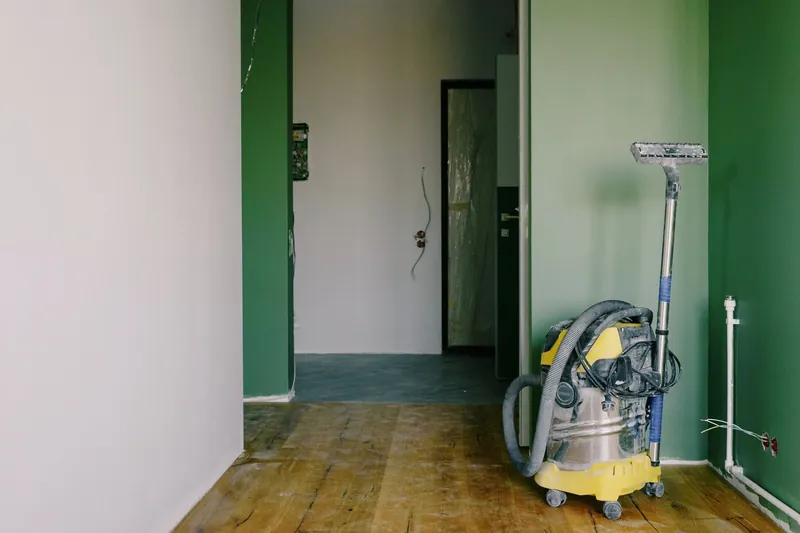
Federal rule 29 CFR 1910.1030 sets requirements for protective equipment, training and handling whenever workers can be exposed to blood.
Choose a disinfectant with EPA registration for blood cleanup, then keep it in place throughout the label's stated contact period.
North Carolina treats soaked materials from a biohazard scene as medical waste. Rules from the state Department of Environmental Quality's Solid Waste Section control how it is packaged, stored, transported and treated, so it cannot go in household trash.
North Carolina uses a statewide medical examiner system run by the Office of the Chief Medical Examiner, with county medical examiners appointed in each county. Cleanup starts after police or the medical examiner or coroner release the scene.
The full crime scene cleanup guide covers what is cleaned or removed, odor and air quality work, and the rules that apply in Gaston County and North Carolina.
Read the full crime scene cleanup guide
Local housing, population and access details can shape containment, access and cleanup planning.
The 23.3% renter share suggests many residents can make direct decisions about removing contaminated flooring, walls, or personal items.
A 1966 median build year points to varied interior finishes, so each affected material needs its own cleaning or removal decision.
Although the share is 10.1%, seniors living alone can still face delayed discovery after an illness, injury, or death.
At 81.3% single-family housing, cleanup boundaries may include attached garages, utility rooms, or storage areas beyond the main room.
During your call, ask whether cleanup is available in surrounding communities and ZIP codes.
After investigators depart, homicide cleanup removes blood, tissue and contaminated materials.
See homicide cleanup
Private, careful suicide cleanup so families do not have to face the scene.
See suicide cleanup
Trauma scene cleanup after accidents, injuries and violent events.
See trauma scene cleanup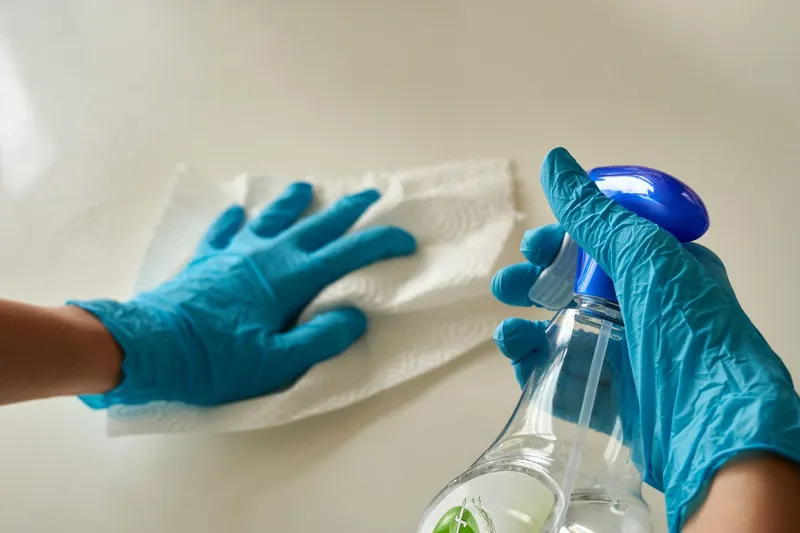
Carpet, solid floors, walls and furnishings receive blood cleanup that includes safe disposal.
See blood cleanup
Decomposition cleanup and odor control are needed after a death goes unnoticed for several days.
See unattended death cleanup
At the source, death odor removal uses air scrubbers plus hydroxyl and ozone treatment.
See death odor removal
Hoarding cleanup combines respectful sorting, removal and deep cleaning.
See hoarding cleanup
Sewage cleanup removes Category 3 black water from raw sewage, then disinfects and dries the area.
See raw sewage cleanupYes. Hepatitis B and some other viruses can live for days within blood that has dried on surfaces. Approach dried blood just as you would fresh blood.
No. Law enforcement releases the scene once evidence is collected. The person who controls the property or its owner is responsible for arranging cleanup.
For most residential crime scene cleanup, published pricing guides show a range between $1,500 and $7,500. Small surface cleanups can cost less, and large or multi-room scenes can pass $10,000.
Common names include forensic cleaning, biohazard remediation, crime scene cleanup, trauma cleanup and forensic clean up. Workers performing the service are known as forensic cleaners or crime scene cleaners.
Cleaning crime scenes uses a cleaning process that contains the space, removes saturated material, cleans and disinfects surfaces, treats odor and disposes of medical waste.
Police, detectives and the medical examiner or coroner collect evidence and remove the deceased, but they do not clean. The family, landlord or property owner generally arranges crime scene cleanup through professional crime scene cleaners.
You can request respectful, discreet crime scene cleanup 24 hours a day, and crews use unmarked vehicles.